
Your Instant Heater Could Shock If Internal Relay Fails
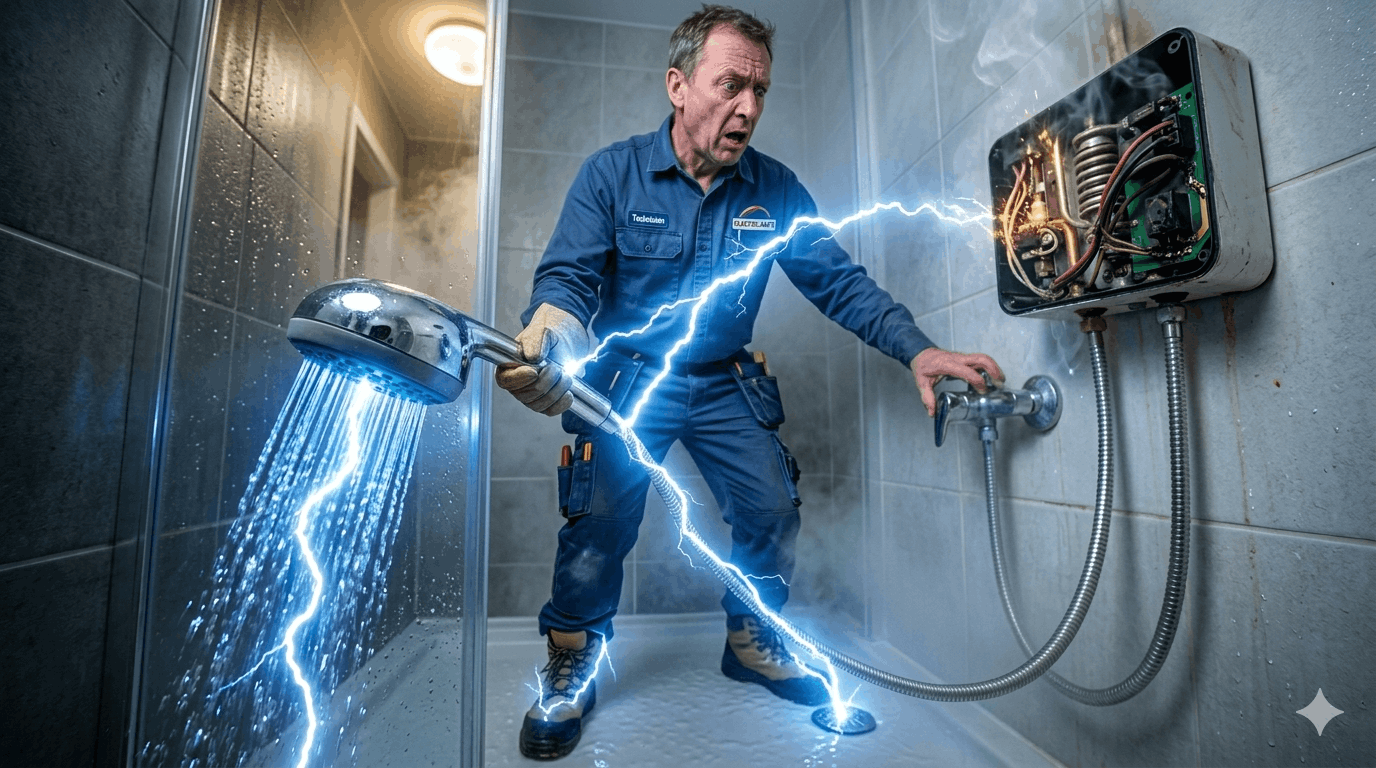
Instant water heaters are one of the most commonly used appliances in modern homes. They provide quick and convenient hot water, especially for daily showers. However, many homeowners are unaware that a hidden fault inside the heater can turn this everyday comfort into a serious safety risk.
One of the most dangerous issues is internal relay failure. When this small but critical component malfunctions, it can lead to electrical hazards, including the risk of electric shock during use.
What Is an Internal Relay in a Water Heater?
Inside every instant water heater, there is an electrical component called a relay. Its main function is to control the flow of electricity to the heating element.
When you turn on the heater, the relay allows power to pass through. When the required temperature is reached or the unit is switched off, the relay cuts off the electrical supply.
In simple terms, the relay acts like a safety switch that ensures electricity flows only when needed.
What Happens When the Relay Fails?
Over time, due to constant usage, heat, and moisture exposure, the relay can wear out or become faulty. When this happens, it may no longer function properly.
A failed relay can cause several dangerous conditions:
- Continuous Power Flow
The relay may get stuck in the “ON” position, allowing electricity to flow continuously even when the heater is supposed to be off. This can overheat internal components and increase the risk of damage.
- Electrical Leakage
Faulty relays can cause improper electrical insulation. This may result in current leakage, where electricity escapes from the internal system to external metal parts or water.
- Electric Shock Risk
This is the most serious danger. When leakage occurs, the water flowing through the heater or showerhead may carry a small electrical current.
Users may experience a tingling sensation or, in severe cases, a strong electric shock while showering.
- Fire Hazard
Continuous power flow and overheating can also lead to burnt components, melted wiring, or even fire in extreme situations.
Warning Signs You Should Not Ignore
Many electrical problems develop gradually. Recognizing early warning signs can prevent serious accidents.
Here are some common symptoms of a faulty relay:
- Water heater does not switch off properly
- Heater remains hot even when not in use
- Unusual clicking or buzzing sounds inside the unit
- Sudden power trips or circuit breaker activation
- Inconsistent water temperature
- Mild tingling sensation when touching water or metal parts
If you notice any of these signs, it is important to take action immediately.
Why This Problem Is Often Overlooked
One of the reasons relay failure is dangerous is because it is not visible from outside.
Most homeowners assume the heater is working fine as long as hot water is available. However, internal electrical faults can exist even when the unit appears normal.
Additionally, many users ignore minor signs like slight tingling, assuming it is harmless. In reality, this is often the first warning of electrical leakage.
The Importance of Proper Earthing and Safety Devices
A properly installed water heater should always include safety measures such as:
- Earthing (Grounding)
Earthing provides a safe path for excess electricity to flow into the ground, reducing the risk of shock.
- ELCB / RCD Protection
An Earth Leakage Circuit Breaker (ELCB) or Residual Current Device (RCD) detects leakage current and automatically cuts off power when a fault is detected.
However, these safety devices only work effectively if they are properly installed and maintained. If they are faulty or missing, the risk becomes significantly higher.
What Should You Do If You Suspect a Problem?
If you suspect any issue with your instant heater, do not ignore it. Immediate action can prevent serious injury.
✔ Stop Using the Heater
If you feel any tingling or suspect electrical leakage, stop using the heater immediately.
✔ Turn Off Power Supply
Switch off the heater from the main power source or circuit breaker.
✔ Arrange Professional Inspection
Always engage a qualified technician to inspect the heater. They can check the relay, wiring, and overall condition of the unit.
✔ Replace Faulty Components
If the relay or any internal part is faulty, replacement is necessary. In some cases, replacing the entire heater may be safer.
✔ Ensure Safety Devices Are Installed
Confirm that proper earthing and ELCB/RCD protection are in place and functioning correctly.
Why Professional Inspection Matters
Electrical systems are complex and should not be handled without proper knowledge. Attempting DIY repairs on a water heater can be dangerous.
A professional technician will:
- Test for electrical leakage
- Inspect internal components such as the relay
- Check wiring and insulation condition
- Verify earthing and safety devices
- Recommend repair or replacement solutions
Early detection can prevent costly repairs and, more importantly, protect lives.
Prevention Tips for Homeowners
To reduce the risk of heater-related electrical hazards, follow these simple practices:
- Schedule regular maintenance for your water heater
- Replace old units that have been in use for many years
- Avoid using low-quality or non-certified heaters
- Ensure installation is done by qualified professionals
- Never ignore unusual behavior or warning signs
Final Thoughts
Your instant water heater is something you use every day, often without a second thought. However, hidden internal faults such as relay failure can turn it into a serious hazard.
Electric shock risks are not something to take lightly. Even a small leakage can escalate into a life-threatening situation if ignored.
By staying alert to warning signs and ensuring proper inspection and maintenance, you can keep your home safe and avoid unexpected dangers.
🔧 Alpha & Omega Trinity Pte Ltd
📞 Call / WhatsApp: +65 8151 8857
🌐 Website: www.aotrinitysg.com


