
Your Water Pressure Is Too High — Pipes Near Failure
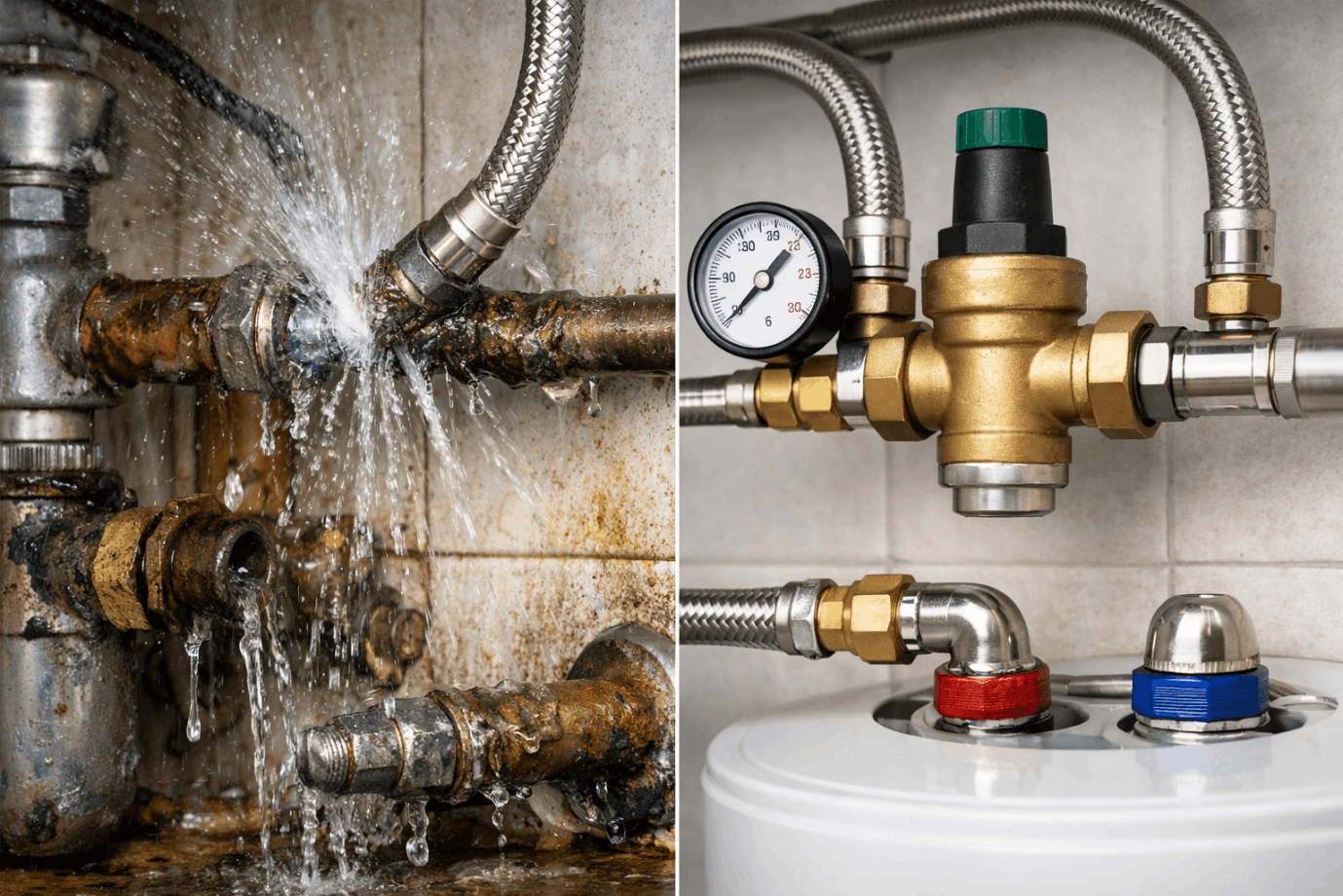
Water pressure is something most homeowners rarely think about. When you turn on the tap and water flows strongly, it usually feels like a good thing. Strong pressure makes showers more enjoyable and allows sinks and appliances to fill quickly. However, what many people do not realize is that excessively high water pressure can quietly damage your plumbing system over time.
If water pressure is too high in your home or building, your pipes, fittings, and appliances may be under constant stress. This hidden pressure can eventually lead to leaks, damaged fixtures, or even sudden pipe bursts. Understanding how high water pressure affects plumbing is important for preventing costly repairs and protecting your property.
What Is Considered High Water Pressure?
In most residential plumbing systems, the recommended water pressure range is 40 to 60 psi (pounds per square inch). Some systems may safely operate slightly higher, but when pressure consistently exceeds 80 psi, it is generally considered too high and may begin to cause problems.
High pressure often occurs when water from the municipal supply enters a property without proper regulation. In some buildings, pressure can fluctuate during certain times of the day, especially during early morning or late night when overall water demand changes.
Without proper control, this pressure continuously pushes against pipes and joints throughout the plumbing system.
Why High Water Pressure Is Dangerous
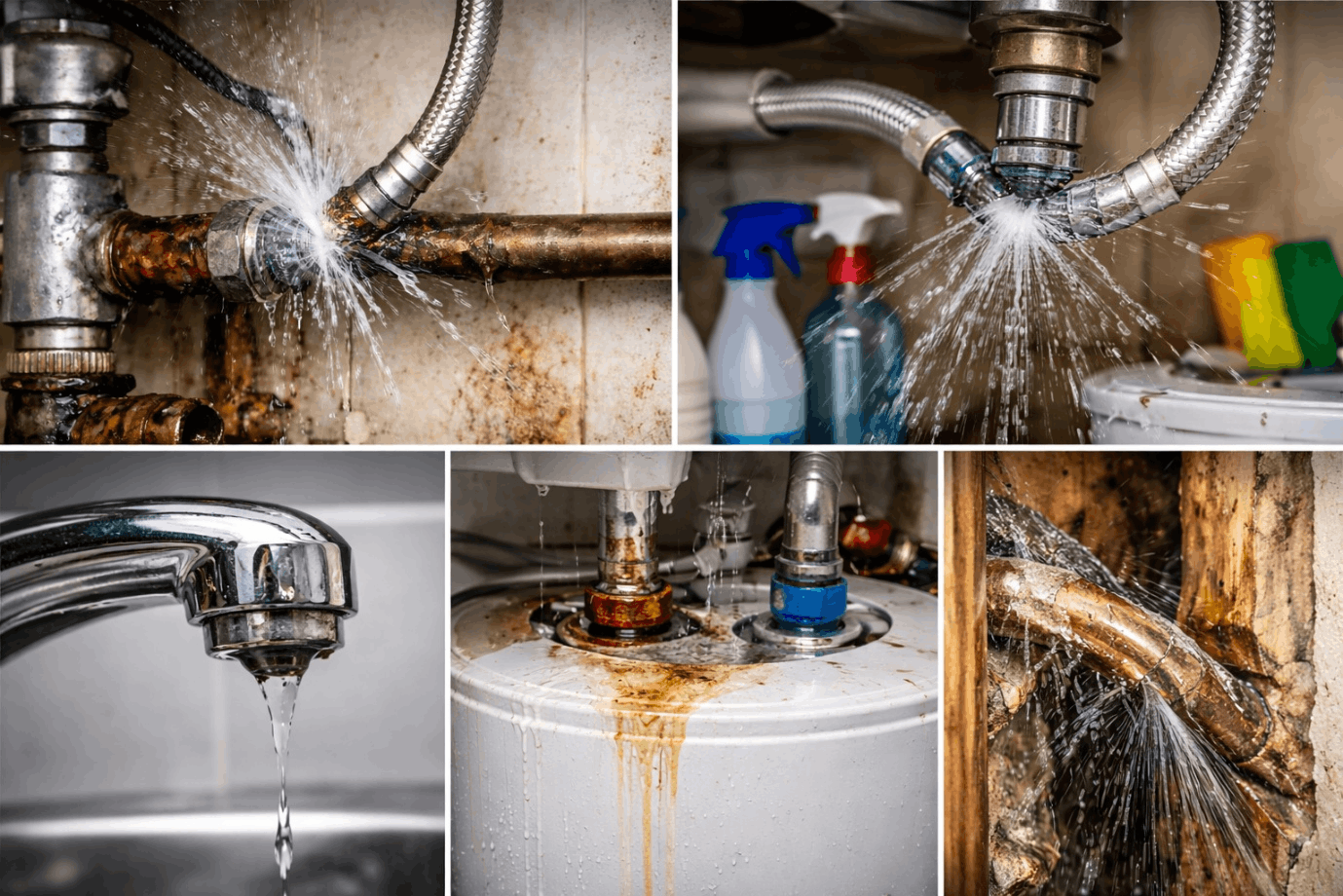
At first glance, strong water flow might seem harmless. But plumbing systems are designed to work within a specific pressure range. When pressure is too high, it places constant strain on components that were never designed to handle that level of force.
Over time, this can lead to several problems.
- Pipe Leaks
Excess pressure weakens pipe joints and connections. Small leaks may start at fittings, valves, or threaded connections. These leaks may begin slowly and go unnoticed until visible water damage appears.
- Burst Flexible Hoses
Flexible braided hoses connected to sinks, toilets, and washing machines are especially vulnerable to high pressure. These hoses can rupture suddenly when the internal lining fails, causing major flooding in a short period of time.
- Damage to Valves and Fixtures
Faucets, mixing valves, and toilet fill valves are designed for controlled water pressure. When pressure is too high, these components wear out much faster than expected.
- Water Heater Stress
Water heaters are also affected by high pressure. Excess pressure can damage internal components, reduce the lifespan of the tank, and increase the risk of leaks.
- Increased Risk of Sudden Pipe Burst
Perhaps the most serious risk is a sudden pipe burst. When pipes weaken over time due to pressure stress, they may eventually fail without warning. This can cause severe water damage to walls, floors, and ceilings.
Common Signs of High Water Pressure
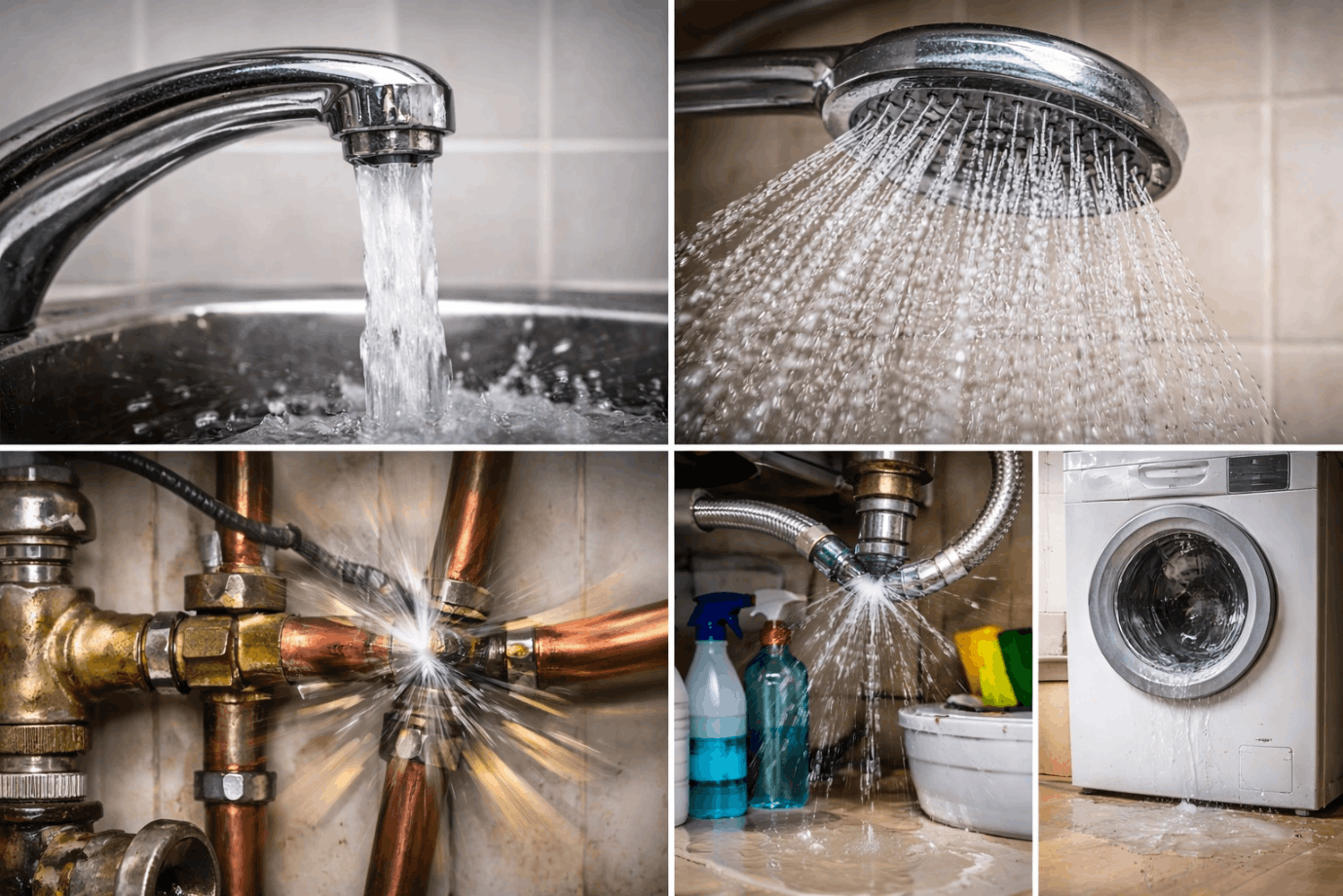
Because water pressure problems often develop gradually, many people do not notice the warning signs until damage occurs. However, there are several symptoms that may indicate pressure is too high.
One common sign is extremely strong water flow from taps and showers. While some people enjoy strong pressure, excessively forceful flow may indicate pressure is above normal levels.
Another sign is banging or knocking sounds in pipes, often referred to as water hammer. This occurs when fast-moving water suddenly stops, creating pressure shock inside the pipes.
Frequent leaks in fittings or appliances can also indicate high pressure. If plumbing components fail more often than expected, pressure may be the cause.
Shortened lifespan of appliances such as washing machines, dishwashers, or water heaters may also be related to pressure issues.
How to Check Your Water Pressure
The most accurate way to check water pressure is by using a water pressure gauge. These gauges are inexpensive and can be attached to an outdoor tap or hose bib.
Once connected, simply turn on the tap fully and read the pressure displayed on the gauge. If the reading exceeds 80 psi, the system may require pressure regulation.
In some cases, pressure may also fluctuate during different times of the day, so testing at multiple times can provide a clearer picture of the actual pressure conditions.
The Role of a Pressure Reducing Valve (PRV)
One of the most effective solutions for high water pressure is installing a Pressure Reducing Valve (PRV).
A PRV is a device installed on the main water supply line entering the property. Its purpose is to regulate incoming pressure and maintain a stable, safe level throughout the plumbing system.
By reducing pressure to a controlled level, a PRV helps protect pipes, valves, appliances, and fixtures from excessive force.
Benefits of installing a PRV include:
- Preventing pipe leaks and bursts
- Extending the lifespan of plumbing fixtures
- Protecting appliances from pressure damage
- Reducing water noise and vibration in pipes
- Improving overall plumbing system reliability
In many modern buildings, PRVs are installed during construction. However, in older buildings or homes, they may be missing or no longer functioning properly.
When to Call a Professional Plumber
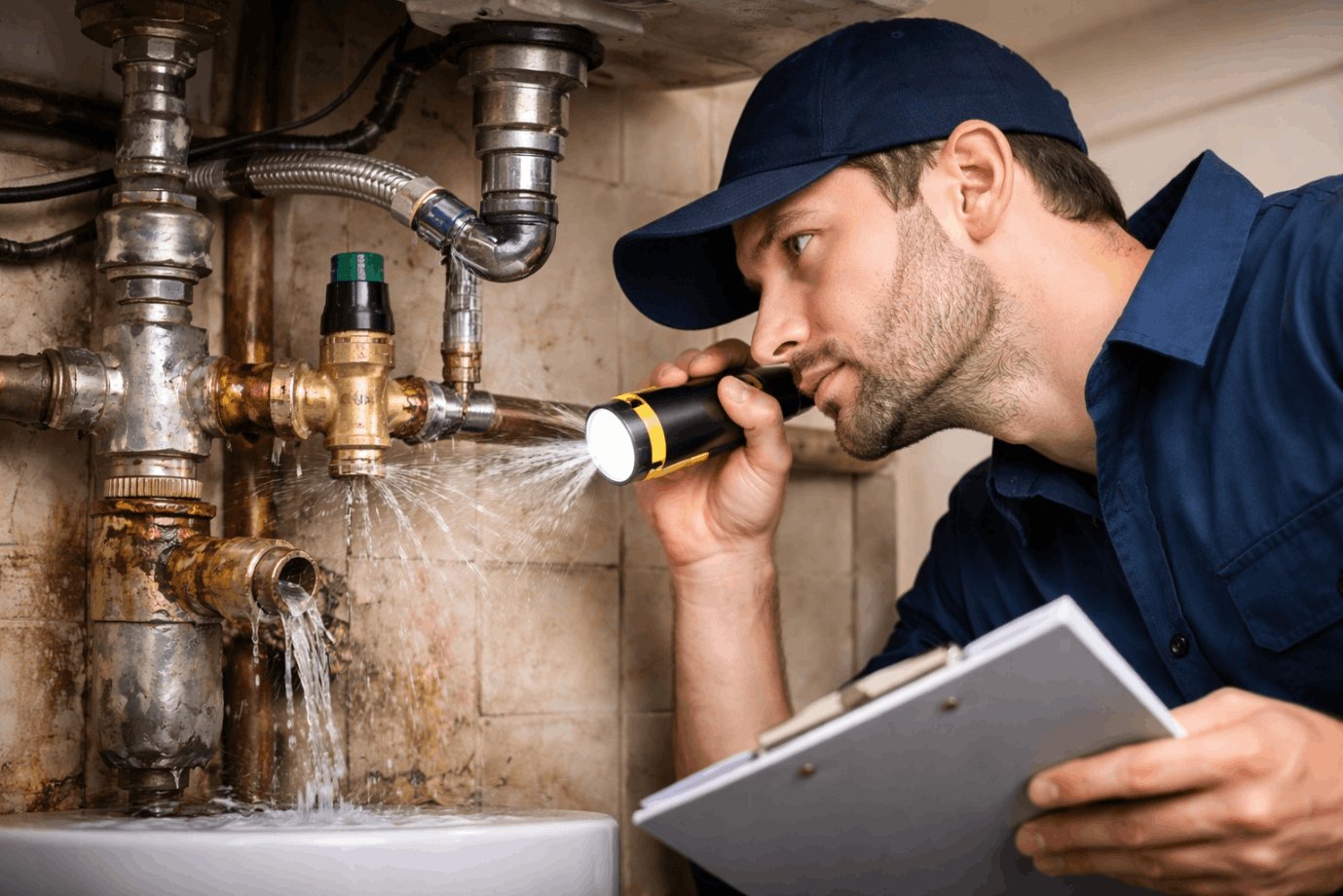
While checking pressure with a gauge is simple, diagnosing the full condition of a plumbing system may require professional inspection.
A qualified plumber can evaluate several factors, including:
- Incoming water pressure from the main supply
- Condition of pipes and fittings
- Functionality of the pressure reducing valve
- Signs of hidden leaks or pipe stress
If pressure problems are identified, the plumber may recommend installing or replacing a PRV, adjusting system settings, or repairing weakened components before they fail.
Addressing the issue early can prevent major plumbing emergencies and reduce long-term repair costs.
Prevention Is Always Better Than Repair
Water damage caused by burst pipes or failed fittings can be extremely expensive. Repairing walls, flooring, and electrical systems after flooding may cost far more than fixing the underlying plumbing problem.
Regular inspection and proper pressure control are key to maintaining a safe and reliable plumbing system.
If you notice unusually strong water pressure, frequent leaks, or unusual pipe noises, it may be time to check your system before a serious failure occurs.
Final Thoughts
Strong water pressure may seem convenient, but excessively high pressure can silently damage your plumbing system over time. Pipes, valves, and appliances are all designed to operate within safe limits, and when those limits are exceeded, failures become more likely.
By monitoring water pressure, installing proper pressure regulation, and performing regular inspections, homeowners and building managers can protect their plumbing systems and avoid costly repairs.
Taking action early ensures that your plumbing system remains safe, efficient, and reliable for years to come.
Early diagnosis can prevent major plumbing emergencies and reduce long-term repair costs.
📞 Call / WhatsApp: +65 8151 8857
🌐 Website: www.aotrinitysg.com
🏢 Company: Alpha & Omega Trinity Pte Ltd


